A carbon monoxide alarm is one of your most important tools for preventing poisonings in your home. Carbon monoxide is a poisonous gas that you can’t see or smell. It’s created when fuels like wood, oil and coal are burned. It can enter your home if your heating equipment or other appliances are not working properly. If it goes undetected, carbon monoxide can kill you.
Every home needs at least one carbon monoxide alarm. An alarm will let you know if there are unsafe amounts of carbon monoxide in your home. But how do you know which one to buy?
What to look for in a carbon monoxide alarm

UL and Intertek (ETL) are two of OSHA’s Nationally Recognized Testing Laboratories.
There are just a couple things you need to look for:
- UL standard. Choose a carbon monoxide alarm that’s been tested to meet Underwriters Laboratories standard 2034. These alarms have been tested by a Nationally Recognized Testing Laboratory and will have the laboratory’s symbol on them—UL and ETL are among the most common. The alarm should say “UL listed” or indicate that it conforms to UL standard 2034. A complete list of recognized testing labs is available on OSHA’s website.
- Battery-powered. Many alarms run on batteries only, but if the alarm plugs in or is hardwired into your home’s electricity, make sure it has battery backup. Many cases of carbon monoxide poisoning happen during power outages, so it’s important to know your alarm will still work without electricity.
A basic carbon monoxide alarm that you install yourself typically costs between $20 and $50. More complicated alarms can cost more, and hardwired systems will need professional installation.
What do I do after I purchase my carbon monoxide alarm?
The first thing to do after purchasing an alarm is to read the product instructions. These will include important information such as:
- The types of alerts your alarm gives. For example, the alarm may give rapid beeps when there is too much carbon monoxide in your home and less frequent “chirps” to indicate the battery is too low. Each alarm is different.
- How to position your alarm. For example, how far you need to keep the alarm from appliances, furniture and the corners of your walls and ceiling.
- What the expected life of your alarm is. The sensors in a carbon monoxide alarm do lose their effectiveness after time—typically 5-7 years—so be sure to know when it’s time to replace yours.
Where do I put my carbon monoxide alarm?
Place a carbon monoxide alarm in the hallway in each part of your home where people sleep, so that you can be sure it will wake you if there is a problem during the night. We also recommend that you have at least one alarm on each level of your house (for example, basement, first floor and second floor) for the most safety.
Each alarm should be placed on the ceiling or high on the wall. Avoid putting alarms in the kitchen, above any fuel-burning appliance, or near a heating vent. Keep alarms free from furniture and drapes.
What should I do if my alarm is going off?
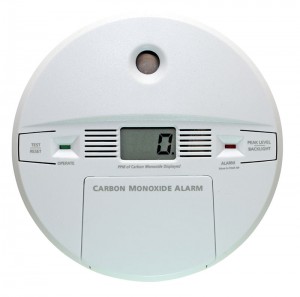
A carbon monoxide alarm will let you know if there is too much carbon monoxide in your home. CDC photo.
If your carbon monoxide alarm is going off, get to fresh air right away and call 911 or your local fire department. Once the fire department is on the way, call the poison center at 1-800-222-1222 for first aid advice.
If your alarm is beeping to indicate the batteries are low, replace them as soon as possible.
Do not remove your alarm’s batteries. The NNEPC has managed poisonings in which people ignored their alarm or removed its batteries to stop it from beeping.
Remember, the NNEPC is also available in non-emergency situations to help with questions about carbon monoxide or home safety. Call 1-800-222-1222, chat online, or text POISON to 85511.

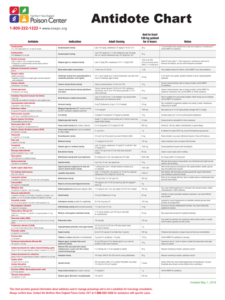 To help hospital staff in Maine, New Hampshire and Vermont make stocking decisions about antidotes, in May 2018 we released the NNEPC Antidote Chart. This tool lays out many of the more common antidotes the poison center may recommend in treating poisoned patients, explaining what each antidote is used for, the dosing parameters, and how much is generally needed on hand to treat a patient initially. Not every hospital will require every antidote listed in the chart, and the poison center is available to help determine your hospital’s needs by calling 1-800-222-1222.